


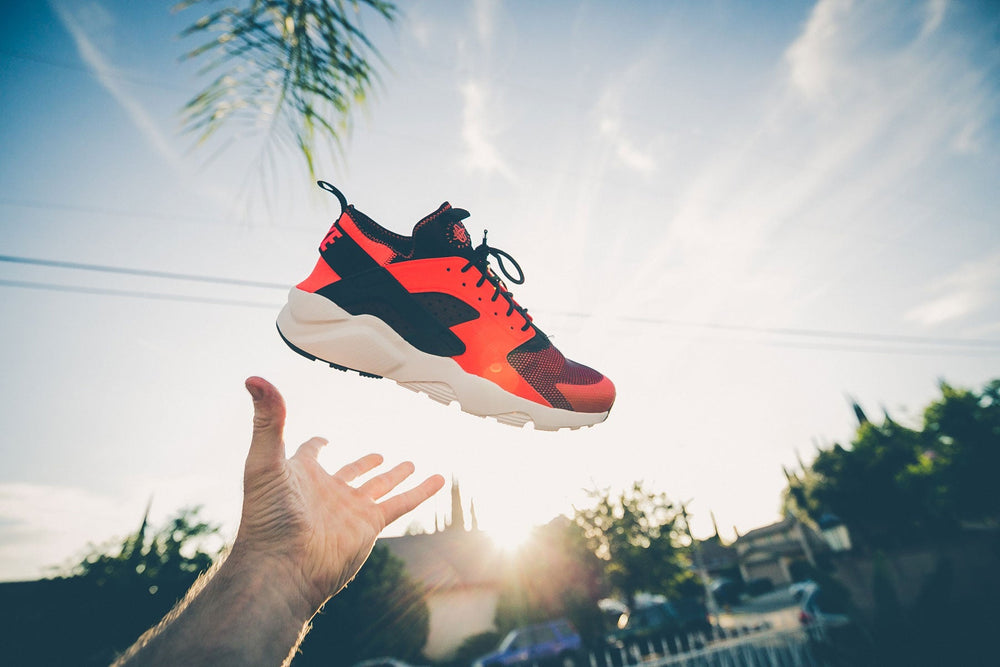
Color is the heartbeat of clothing design—it has the power to evoke emotions, flatter your complexion, and transform an ordinary outfit into something extraordinary. For anyone who loves fashion (or wants to build a wardrobe that feels intentional), understanding color is key. It’s not just about picking pretty hues; it’s about understanding how colors interact, how they complement your skin tone, and how they can elevate your personal style. Let’s break down the basics of color in fashion, so you can shop smarter, style better, and fall in love with your wardrobe all over again.

First, let’s start with the color wheel—the foundation of all color theory. Invented by Sir Isaac Newton in 1666, the color wheel arranges colors by their chromatic relationship, making it easy to understand how different hues work together. There are three main color relationships to remember: complementary (colors opposite each other on the wheel, like violet and yellow), analogous (colors next to each other, like blue and green), and triadic (three colors evenly spaced, like red, yellow, and blue). These relationships help designers create balanced, visually appealing outfits—whether you’re going for a bold statement or a soft, harmonious look.
Next, let’s talk about color values: tints, shades, and tones. Color value refers to how light or dark a color is—adding white creates a tint (like blush pink), adding black creates a shade (like burgundy), and adding gray creates a tone (like sage green). Adjusting the value of a color can completely change its mood: lighter tints feel soft and feminine, darker shades feel sophisticated and bold, and tones feel muted and versatile. For example, a light blue tint is perfect for a casual spring outfit, while a deep navy shade adds elegance to a fall look.
Color temperature is another crucial factor: warm vs. cool colors. Warm colors (reds, oranges, yellows) are associated with sunlight and heat, evoking energy and warmth, while cool colors (blues, greens, violets) evoke calmness and freshness, like water or foliage. Fashion designers use color temperature to craft seasonal collections—warm hues dominate fall and summer lines for their vibrancy, while cool hues shine in spring and winter for their calming effect. Understanding your skin’s undertone (warm, cool, or neutral) can help you choose colors that flatter you: warm undertones look great in warm hues, cool undertones in cool hues, and neutrals can pull off almost anything.
Finally, color psychology plays a big role in how we perceive clothing. Each color has the power to evoke emotions: red is bold and confident, blue is calm and trustworthy, green is fresh and grounding, and black is sleek and timeless. When you choose colors for your outfit, you’re not just picking a hue—you’re choosing how you want to feel and how you want to be perceived. For example, a red dress is perfect for a night out when you want to feel confident, while a soft gray sweater is ideal for a quiet day when you want to feel cozy and relaxed.
At our store, we curate colors with all of this in mind—from timeless neutrals to on-trend hues, we offer pieces that work for every skin tone, every mood, and every occasion. Whether you’re new to color theory or a seasoned fashion lover, understanding color is the key to building a wardrobe that feels uniquely you.